In the age of social media, travel has often become a race against time. We see “10 Countries in 10 Days” itineraries and travelers rushing from one landmark to another just to capture a photograph. This “ticking boxes” approach is what we define as traditional tourism. While it allows you to see many things, it often leaves you feeling exhausted and disconnected.
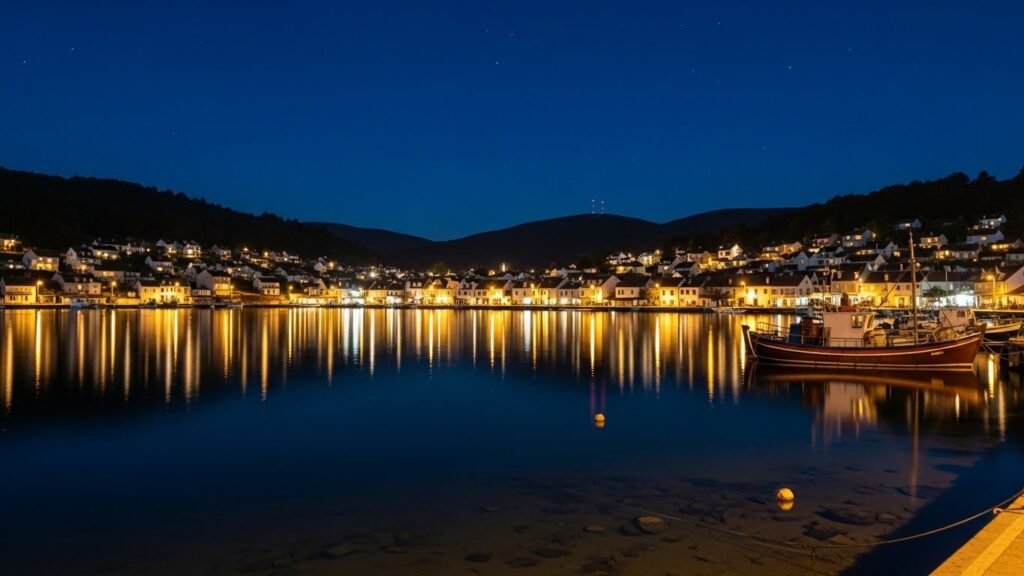
Contrast this with the philosophy of slow travel. Slow travel is not about the distance you cover, but the depth of your connection to a place. When we look at slow travel vs. tourism, the fundamental difference lies in the pace. Instead of skimming the surface of an entire region, slow travel invites you to settle into one location—like a quiet seaside town—and live as a local for a month or more.
By staying put, you stop being a spectator and start becoming part of the community. You learn the names of the shopkeepers, you find the best hidden paths to the beach, and you experience the subtle shifts in the tides and the light. This guide explores why choosing one seaside town for an extended stay can transform your perspective on the world.
The Core Differences: Slow Travel vs. Tourism
To appreciate the value of staying in one place, we must first understand the limitations of the “tourist” mindset compared to the “traveler” mindset.
The Exhaustion of Tourism
Tourism is often driven by the “Fear Of Missing Out” (FOMO). This leads to packed schedules, early morning wake-up calls, and hours spent in transit. You see the Eiffel Tower, the Colosseum, and the Parthenon, but your memories often blur into a haze of bus windows and security lines. By the time you get home, you need a vacation from your vacation.
The Enrichment of Slow Travel
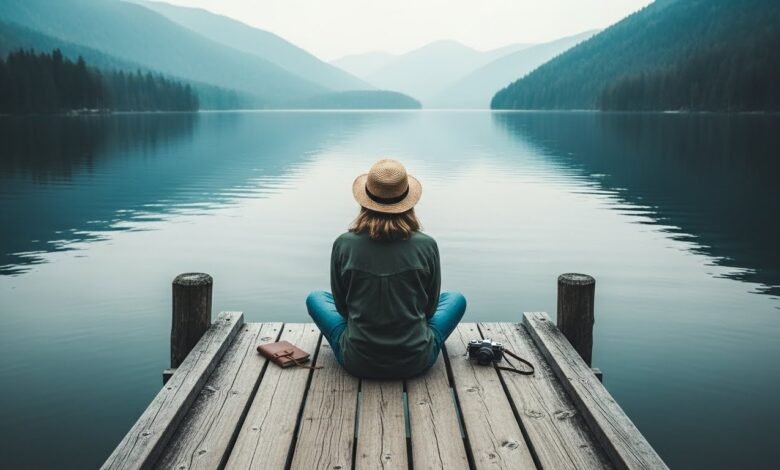
In the debate of slow travel vs. tourism, slow travel is the antidote to burnout. It prioritizes “being” over “seeing.” When you spend a month in a seaside town, you have the luxury of doing absolutely nothing. You can spend an entire afternoon watching the waves or reading a book at a local café without feeling like you are wasting time. This stillness allows for authentic mental restoration.
Why a Seaside Town is the Perfect Choice
While you can practice slow travel anywhere, coastal environments are uniquely suited to this lifestyle. The ocean has a natural rhythm that encourages a slower pace of life.
The Rhythm of the Tides
Living by the sea forces you to pay attention to nature. You begin to notice when the tide is high and when the rock pools are exposed. You learn which winds bring the swells and which evenings will offer the best sunset. This connection to the natural world is something that a three-day city break can never provide.
Health and Well-being
The “Blue Mind” theory suggests that being near water lowers cortisol levels and increases creativity. A month-long stay allows these biological benefits to take root. You aren’t just getting a “hit” of sea air; you are saturating your system with it.
The Financial Benefits of Staying Put
One of the biggest surprises for those new to slow travel is that it is often much cheaper than traditional tourism, despite the longer duration.
Long-Term Rental Discounts
Platforms like Airbnb and local rental agencies almost always offer significant discounts for stays of 28 days or longer. It is often cheaper to rent a beautiful apartment by the sea for a month than it is to stay in mid-range hotels for two weeks of constant moving.
Cooking vs. Eating Out
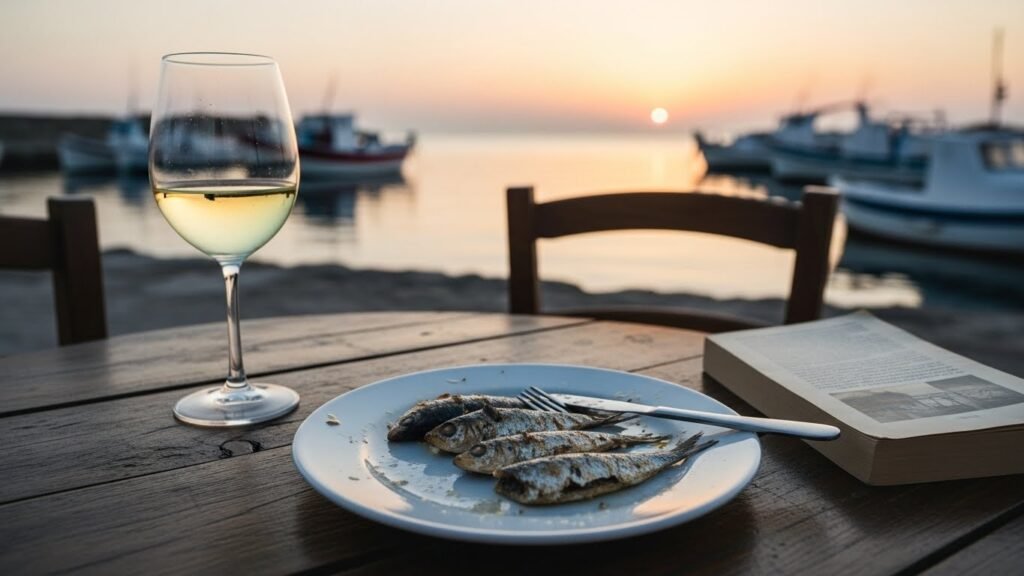
When you are a tourist, you eat every meal at a restaurant. When you live in a town for a month, you have a kitchen. You can visit the local fish market, buy the catch of the day, and cook it at home. This not only saves money but also deepens your appreciation for regional cuisine and ingredients.
How to Choose Your Seaside Town
Not every coastal town is built for a month-long stay. To successfully navigate slow travel vs. tourism, you need to choose a location with “depth.”
- Walkability: Ensure the town is walkable. The goal is to ditch the car and move at a human pace.
- Local Infrastructure: Look for a place with a permanent local population, a good grocery store, and at least one cozy café that can become your “office” or reading nook.
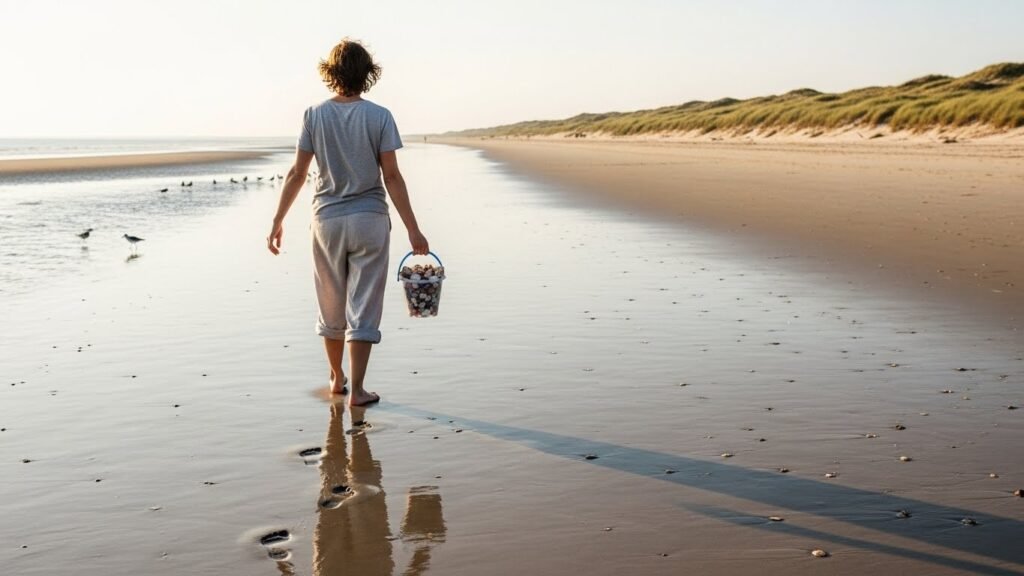
- Natural Variety: Choose a place with diverse coastal features—cliffs for hiking, sandy spots for swimming, and a harbor for watching the world go by.
Practical Steps to Transition to Slow Travel
If you are used to fast-paced trips, slowing down is a challenge. Here is how to adjust.
1. Limit Your “Must-See” List
Pick only one significant activity or excursion per week. Spend the other six days exploring your immediate surroundings or simply following your curiosity.
2. Establish a Routine
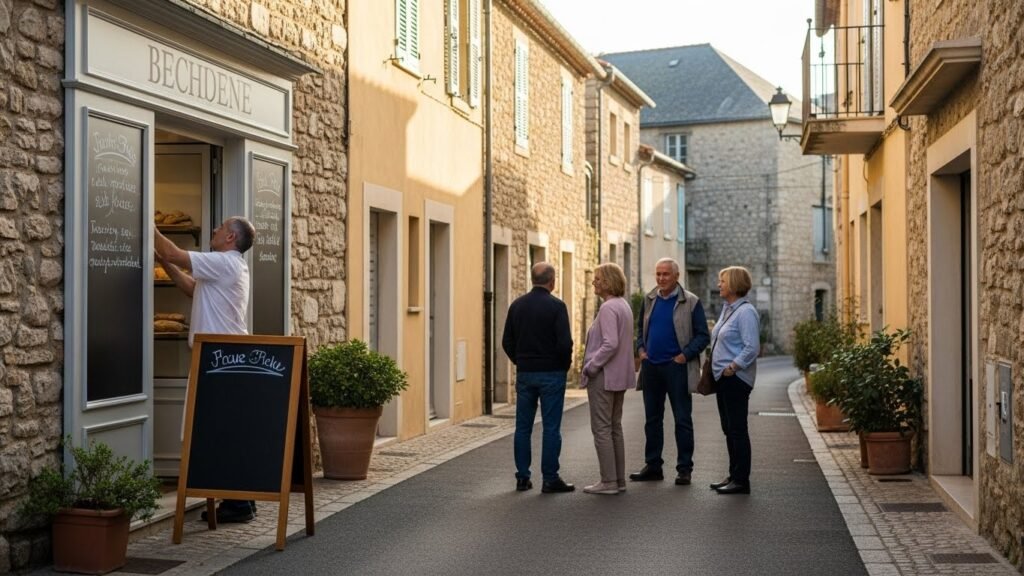
Slow travel thrives on routine. Find a favorite bakery for your morning bread. Visit the same spot on the pier every evening. These repetitive actions help you feel grounded and turn a “destination” into a “home.”
3. Learn the Basics of the Language
You don’t need to be fluent, but knowing how to ask about the weather or the morning’s catch in the local tongue will open doors that remain closed to the average tourist.
Common Mistakes to Avoid
- Over-planning: If your calendar is complete, you aren’t slow-traveling. Leave space for the unexpected.
- Staying in Tourist Districts: Try to rent a flat in a residential neighborhood rather than the “hotel zone.”
- Checking Your Phone Constantly: The goal is to be present. Use your devices for logistics, but try to disconnect from the digital world to reconnect with the physical one.
The Social Impact of Slow Travel
When we talk about slow travel vs. tourism, we must mention the impact on the local community. Traditional tourism often strains resources and creates a “them vs. us” dynamic.
Slow travelers contribute more sustainably. Because you shop at the local butcher, use the local laundromat, and attend local events, your money stays within the community rather than going to international hotel chains. You become a familiar face, fostering genuine cross-cultural understanding.
Conclusion
Choosing to spend a month in one seaside town is an act of rebellion against the modern “hustle” culture. It is a way to reclaim your time and rediscover the joy of discovery. While tourism gives you photos, slow travel gives you stories, friendships, and a profound sense of peace.
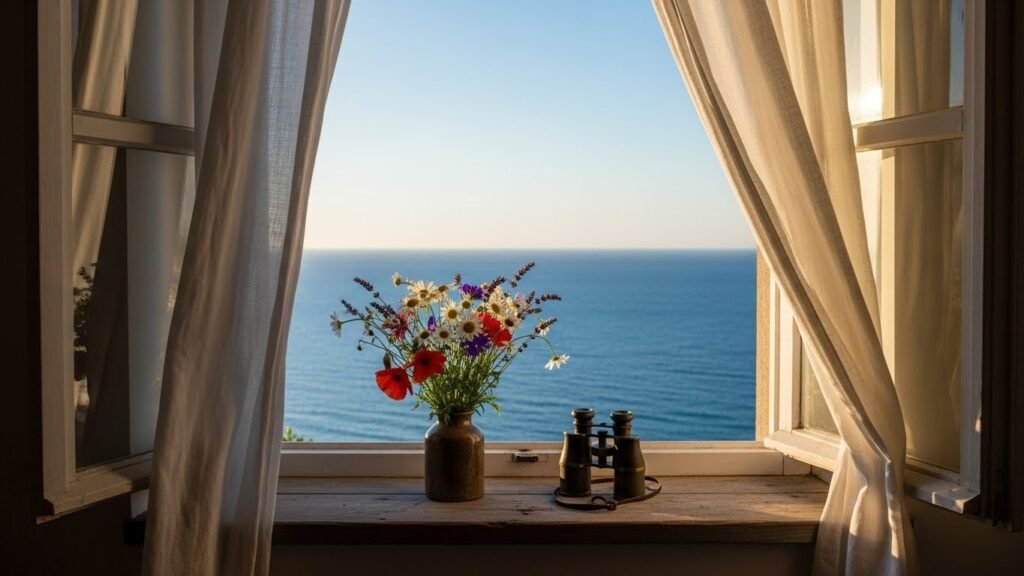
The next time you plan a trip, ask yourself: “Do I want to see the world, or do I want to experience it?” If the answer is the latter, pack your bags for one single destination, find a window overlooking the waves, and let the ocean teach you how to slow down.