The Maldives is often synonymous with ultimate luxury—private islands, overwater bungalows, and world-class dining. However, as one of the lowest-lying nations on Earth, it is also at the forefront of the climate crisis. For the conscious traveler, the challenge has always been enjoying this paradise without contributing to its degradation. Fortunately, a new era of hospitality has emerged where “luxury” is no longer defined by excess, but by harmony with nature.
When searching for the best eco-friendly resorts, the Maldives offers some of the most innovative examples in the world. These properties prove that you don’t have to sacrifice comfort to be a responsible traveler. From solar-powered islands to intensive coral restoration programs, these resorts are proving that sustainability can be the ultimate luxury. This guide highlights what to look for in a green resort and which Maldivian escapes are leading the way.

Redefining Luxury: What Makes a Resort Eco-Friendly?
It is easy for a hotel to claim it is “green” by simply asking guests to reuse towels. However, true sustainability in the Maldives goes much deeper. The best eco-friendly resorts integrate environmental protection into their very foundation.
Solar Power and Energy Efficiency
The Maldives receives abundant sunlight. The most advanced resorts use massive solar arrays to power everything from air conditioning to water desalination plants. Some islands are now almost 100% self-sufficient, reducing the need to transport polluting diesel fuel via ship.
Zero-Waste Systems
On an island, there is no “away” to throw things. Leading eco-resorts have their own “eco-centers” where they process organic waste into compost for on-site vegetable gardens. They also glass-bottle their own drinking water, eliminating the need for thousands of single-use plastic bottles every month.
Marine Conservation Units
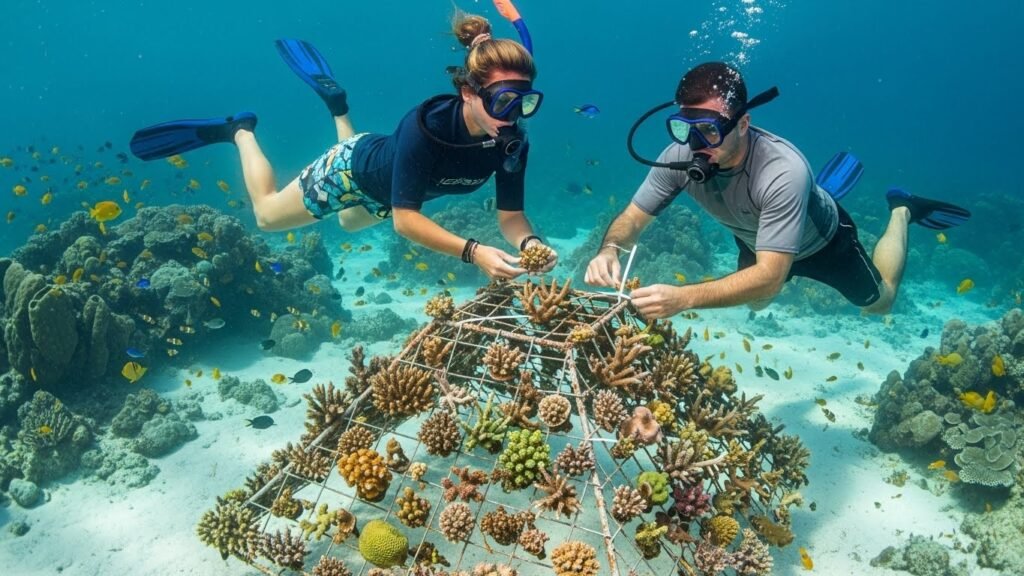
A luxury resort is only as beautiful as the reef that surrounds it. Many top-tier resorts now employ full-time marine biologists. These experts lead guest education programs, manage “coral nurseries” where broken coral is regrown, and monitor local turtle nesting sites.
Top Eco-Friendly Resorts in the Maldives
If you are planning a trip where your footprint is light but your experience is grand, these three resorts set the global standard.
1. Soneva Fushi: The Pioneer of “No News, No Shoes.”
Soneva Fushi is widely considered the gold standard for the best eco-friendly resorts. Their philosophy revolves around “Slow Life.”
- The Eco-Innovation: They have a massive on-site recycling facility called “Waste to Wealth,” which even includes a glass-blowing studio that turns used wine bottles into works of art.
- The Luxury: Expansive jungle villas that offer total privacy and a “Friday” (personal butler) to cater to every need.
2. Kudadoo Maldives Private Island: Fully Solar Powered
Kudadoo is a masterpiece of sustainable architecture. The resort’s central hub features a stunning sloped roof entirely covered in solar panels.
- The Eco-Innovation: One of the few resorts in the world powered entirely by the sun. They also prioritize sustainable building materials, such as FSC-certified timber.
- The Luxury: An “Anything, Anytime, Anywhere” concept where everything from spa treatments to private diving is included in the stay.
3. Gili Lankanfushi: Traditional and Organic
Gili Lankanfushi emphasizes the use of natural materials and a deep connection to the ocean.
- The Eco-Innovation: All villas are built using sustainable woods, bamboo, and palm fronds. They have a strict “no plastic” policy and a highly successful seagrass protection program, which helps sequester carbon.
- The Luxury: Some of the largest overwater villas in the world, including “The Private Reserve,” which stands alone in the middle of a turquoise lagoon.
How to Spot “Greenwashing”
As sustainability becomes a marketing trend, some resorts may exaggerate their efforts. To find truly the best eco-friendly resorts, look for these specific indicators:
- EarthCheck or Green Globe Certification: These are rigorous third-party certifications that require hotels to meet strict environmental and social standards.
- On-Site Bottling Plants: If the resort still serves water in plastic bottles, its commitment to the environment is likely surface-level.
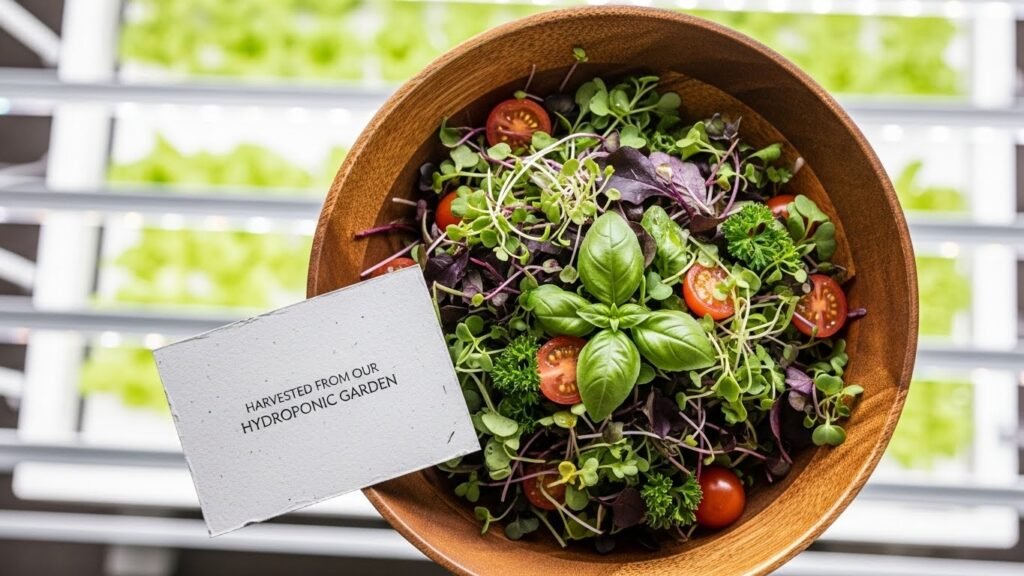
- Local Sourcing: Check if the menus feature “zero-kilometer” ingredients grown in their own gardens or sourced from local fishing communities.
- Community Support: A truly sustainable resort supports its neighbors. Look for programs that provide employment, education, or healthcare to nearby local islands.
Practical Steps for the Eco-Conscious Guest
Even when staying at the best eco-friendly resorts, your behavior as a guest matters.
- Pack Light and Right: Bring reef-safe sunscreen and avoid bringing any disposable plastics in your luggage.
- Respect the Wildlife: Never touch or feed marine life, including turtles and manta rays. Maintain a respectful distance and follow your guides’ instructions.
- Conserve Water and Electricity: Even if the resort is solar-powered, energy is a precious resource on an island. Turn off the lights and AC when you leave your villa.
Common Mistakes to Avoid
- Assuming All Luxury is Sustainable: Many expensive resorts still rely on heavy diesel generators and imported bottled water. Always do your research before booking.
- Ignoring the Seagrass: Many tourists prefer “pure white sand” and complain about seagrass. However, seagrass is a vital carbon sink and a nursery for marine life. Support resorts that protect their seagrass meadows.
- Taking Shells or Coral: It is tempting to take a souvenir from the beach, but taking shells or dead coral disrupts the beach’s natural calcium cycle and is often illegal.

Conclusion
The Maldives is proving that the future of travel is not a choice between luxury and the planet. By choosing to stay at the best eco-friendly resorts, you are sending a powerful message to the travel industry: sustainability is a requirement, not an option. These islands offer a unique opportunity to reconnect with the natural world while enjoying the pinnacle of hospitality.
When you sit on your deck and watch the sun set over a reef that you helped protect, the luxury feels far more profound. It is the luxury of knowing that your presence is helping to preserve this blue paradise for generations to come.