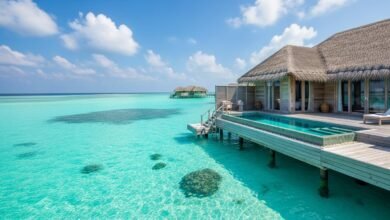
Bali, often referred to as the “Island of the Gods,” has long been a spiritual mecca for seekers of peace and physical rejuvenation. In recent years, a new trend has taken hold of the island’s coastline: the fusion of high-energy surfing with the meditative discipline of yoga. This combination has birthed a unique travel niche that prioritizes holistic health—physically, mentally, and spiritually.
Whether you are a seasoned yogi or someone who has never touched a surfboard, the appeal of yoga retreats and surf camps in Bali is universal. These retreats offer a structured yet relaxed way to disconnect from the digital world and reconnect with your own body. By combining the strength-building “yang” energy of surfing with the calming “yin” energy of yoga, travelers find a balance that is rarely achievable in their daily lives.
The Synergy of Surf and Yoga
At first glance, surfing and yoga might seem like very different activities. One involves battling the elements of the ocean, while the other focuses on internal stillness. However, they are deeply complementary.
Physical Benefits
Surfing requires significant upper-body strength, core stability, and explosive power for the pop-up. Yoga helps develop these exact muscles while also improving flexibility and balance. A morning surf session can leave your muscles tight; a sunset yoga session stretches those same muscles, preventing injury and speeding recovery.
The Flow State
Both disciplines require intense focus and “presence.” When you are on a wave, you cannot be thinking about your emails. Similarly, when you are in a challenging yoga pose, your focus must be on your breath. This “flow state” is incredibly therapeutic for the mind, acting as a form of moving meditation that reduces stress and anxiety.
What to Expect at Bali Surf and Yoga Retreats
Most yoga retreats and surf camps in Bali follow a rhythmic daily schedule that aligns with the sun’s natural light.
A Typical Daily Schedule
- Dawn: A light tea and a sunrise yoga session to wake up the joints and focus the mind.
- Morning: A surf lesson or guided session at a local break, usually for 2 to 3 hours.
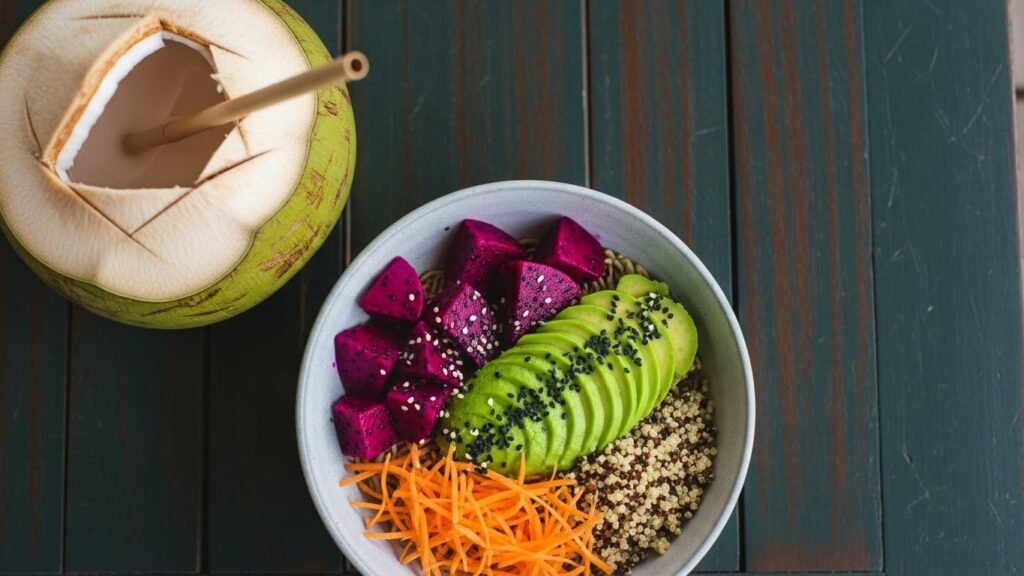
- Lunch: A communal, plant-based meal featuring local Balinese ingredients like tempeh, tropical fruits, and fresh coconuts.
- Afternoon: Free time for a massage, reading, or exploring the local village.
- Late Afternoon: A restorative or Yin yoga session to stretch the body after surfing.
- Evening: Group dinner followed by a guided meditation or a wellness workshop.
Top Locations in Bali for Wellness
Depending on your preference for crowds or waves, different parts of the island offer different wellness experiences.
Canggu: The Social Hub
Canggu is the heart of the modern wellness scene. It is filled with world-class yoga studios and beginner-friendly beach breaks. It is perfect for those who want to balance their retreat with social life and trendy cafes.
Uluwatu: The Spiritual Cliffs
Perched on the southern tip of the island, Uluwatu offers dramatic cliffside views and some of the best surf in the world. Yoga retreats here often focus on a more intense, athletic practice, and the surf is better suited for intermediate to advanced surfers.
Medewi: The Quiet Alternative
For those who genuinely want to escape, Medewi in West Bali offers a much slower pace. It is home to the longest left-hand wave in Bali and a more traditional, rural atmosphere. Retreats here are often more intimate and focused on deep relaxation.

Choosing the Right Retreat for You
Not all yoga retreats and surf camps in Bali are created equal. To ensure you have the best experience, consider these factors:
- Skill Level: Ensure the retreat caters to your specific level in both activities. Some are “beginner-only,” while others are more intensive.
- Instructor Quality: Look for retreats that employ certified yoga teachers and experienced surf instructors who understand ocean safety.
- Sustainability: Bali faces environmental challenges. Choose retreats that have a “no-plastic” policy, support local farmers, and engage in beach clean-ups.
- Group Size: Small group retreats (8–12 people) usually offer more personalized instruction and a tighter community feel.

Practical Tips for Your Bali Trip
- Hydration is Key: The Bali heat combined with physical activity can lead to dehydration quickly. Always carry a reusable water bottle and consider coconut water for natural electrolytes.
- Respect the Culture: When you aren’t on your mat or your board, remember to dress modestly when walking through villages or visiting temples.
- Listen to Your Body: It is tempting to do every session, but “retreat fatigue” is real. If you need to skip a surf session to nap, do it. The goal is wellness, not exhaustion.
Common Mistakes to Avoid
- Over-packing: You really only need swimwear, a few pieces of yoga gear, and a light dress or shorts. Most retreats provide towels and mats.
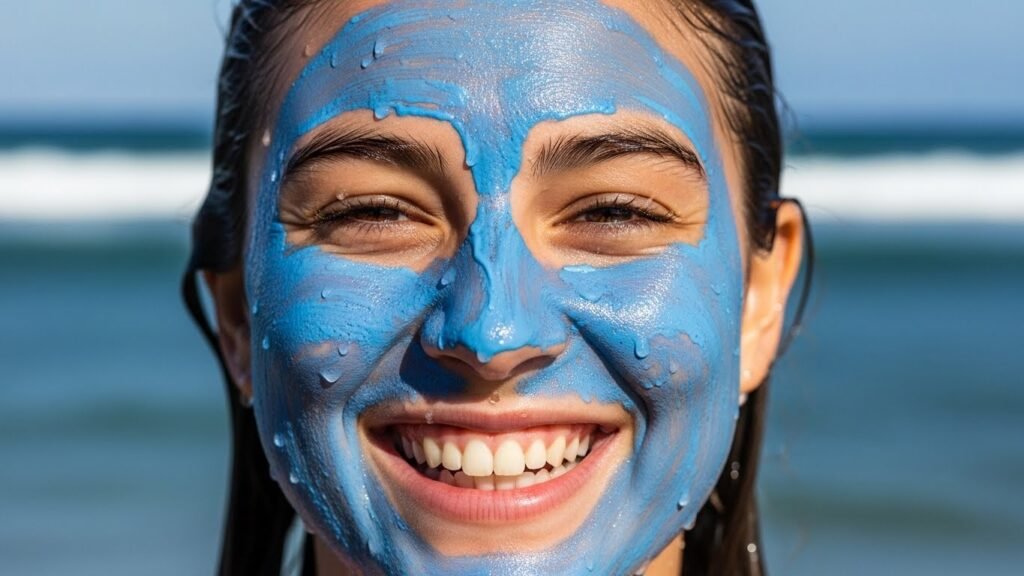
- Ignoring Sun Protection: The Balinese sun is powerful. Use reef-safe zinc on your face for surfing and wear a rash guard to prevent burns.
- Fixed Expectations: The ocean and your body are different every day. Approach each session with an open mind rather than a rigid goal.
Conclusion
The rise of yoga retreats and surf camps in Bali reflects a global shift toward more meaningful travel. We no longer want to see a place; we want to be transformed by it. By spending a week between the mat and the board, you allow the rhythm of the ocean and the discipline of yoga to reset your system.
You will likely leave Bali with a stronger core and a tan, but the authentic takeaway is the mental clarity and the “stoke” that stays with you long after you’ve returned home. In the end, wellness on the water is about finding your own flow—both on a wave and in your life.