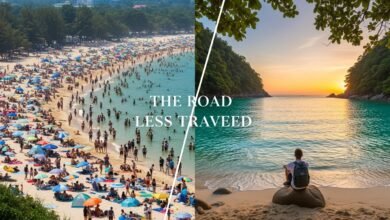
For many of us, the end of summer brings a sense of melancholy. As the days grow shorter and the air turns cold, the vibrant energy of coastal life seems to hibernate. But what if you didn’t have to say goodbye to the sun? For the modern nomad and the dedicated sun-seeker, “eternal summer” is not just a dream—it is a logistical possibility. By understanding global weather patterns and the shifting seasons of the northern and southern hemispheres, you can create a life of year-round sun.
Chasing summer is about more than just avoiding the cold; it is about following the “flow” of the planet. It allows you to stay active, spend more time in the water, and maintain the mental health benefits of natural Vitamin D. This 12-month itinerary is designed to keep you in tropical or Mediterranean climates year-round, ensuring your wetsuit never gathers dust.

The Strategy of the Endless Summer
To successfully chase the sun, you must master the art of the “shoulder season.” Traveling at the same time as everyone else often results in crowded beaches and higher prices. The goal is to catch the tail end of one summer and the beginning of another.
Following the Equator
The secret lies in the transition between the hemispheres. When the Northern Hemisphere enters winter in December, the Southern Hemisphere is just beginning its summer peak. By crossing the equator twice a year, you can effectively skip winter entirely.
Respecting the Monsoon
“Sun” doesn’t just mean heat; it means clear skies. Chasing the sun also means avoiding the heavy monsoon and hurricane seasons. For example, while it is hot in Thailand in September, it is also the peak of the rainy season. This itinerary accounts for both temperature and rainfall to ensure you get the best beach days possible.
The 12-Month “Wanderwave” Itinerary
January – March: The Golden Coast of Australia
While the Northern Hemisphere is in the depths of January, Australia is basking in the height of summer.
- The Location: Byron Bay or the Gold Coast.
- The Vibe: World-class surfing, vibrant café culture, and long, balmy evenings.
- Why now: The water is at its warmest, and the coastal lifestyle is in full swing.
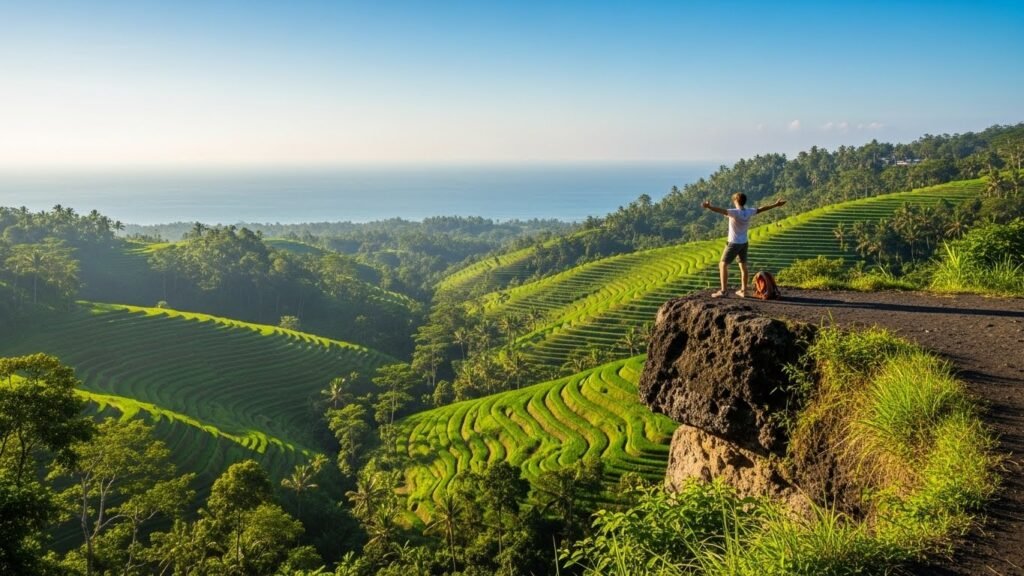
April – May: The Tropical Transition in Bali
As the Australian summer fades, Indonesia enters its dry season.
- The Location: Uluwatu or the Nusa Islands.
- The Vibe: Lush green landscapes, perfect swell for surfing, and spiritual rejuvenation.
- Why now: You avoid the humidity of the monsoon and the massive crowds of the July/August peak.
June – August: The European Mediterranean Dream
Now the Northern Hemisphere takes the spotlight. This is the time to head to Southern Europe.
- The Location: The Algarve (Portugal), the Greek Islands, or the Amalfi Coast (Italy).
- The Vibe: Cobblestone streets, fresh seafood, and salt-crusted skin.
- Why now: The Mediterranean is at its most iconic. For a “slow travel” approach, pick one island or coastal town and stay for the full three months.
September – October: The North African or Canarian “Second Summer”
When mainland Europe begins to cool down in September, the Canary Islands or the Moroccan coast remain perfectly warm.
- The Location: Taghazout (Morocco) or Fuerteventura (Spain).
- The Vibe: Desert landscapes meeting the Atlantic Ocean and world-class kite-surfing.
- Why now: The “Sahara heat” mellows out into perfect 25°C (77°F) days, and the autumn swells start to arrive for surfers.
November – December: The Caribbean or Central American Escape
As the year draws to a close, the Caribbean basin enters its most beautiful period.
- The Location: Tulum (Mexico), Costa Rica, or Barbados.
- The Vibe: Jungle meets the sea, turquoise waters, and a “Pura Vida” philosophy.
- Why now: Hurricane season has ended, the humidity drops, and the trade winds provide a cooling breeze.

The Logistics of Year-Round Sun
Planning such a journey requires more than just a passport. You need to consider the practicalities of a life in constant motion.
- Visa Planning: If you are chasing summer globally, you’ll need to navigate different visa rules. Digital Nomad visas in Portugal, Costa Rica, and Bali are making this easier for long-term travelers.
- Health and Insurance: Constant sun exposure requires skin care and high-quality travel insurance that covers “adventure sports” like surfing or diving.
- The “Slow” Approach: Don’t try to visit 12 countries in 12 months. Spend 2–3 months in each central region. This reduces travel fatigue and lowers your carbon footprint.
Managing “Heat Fatigue”
Living in year-round sun can be taxing. Without the natural “reset” of winter, you may feel drained.
- Hydration: Chronic dehydration is a risk. Drink more water than you think you need.
- Skin Health: Invest in high-quality, reef-safe zinc and wide-brimmed hats.
- Embrace the Indoors: Even in paradise, it’s okay to spend a day inside with the AC or a fan to let your body recover from the heat.
Common Mistakes to Avoid
- Ignoring the “Rainy Season”: Tropical rain is no joke. Always check the monthly rainfall averages before booking. A “cheap” flight in October to Thailand might mean five days of solid rain.
- Packing Too Much: As our packing guide suggests, you only need light layers for this lifestyle. If you are always in the sun, you never need a heavy coat.
- Losing Connection: Being a nomad can be lonely. Use the coastal hubs and coworking spaces mentioned in our other guides to find a consistent community.
Conclusion
Chasing summer is a bold way to live. It requires rejecting the standard “seasonal” life and embracing constant change. However, for those who feel most alive when the sun is on their skin and the ocean is at their feet, there is no better way to see the world.
By following the sun, you don’t just see different countries; you see the world at its most vibrant. You live in a state of perpetual light, moving with the tides and the trade winds, proving that summer doesn’t have to be a season—it can be a destination.