How to Plan a Spontaneous Trip Without Breaking the Bank: The Art of Wandering
There is a unique thrill that comes with the unknown. The idea of waking up on a Tuesday and deciding that by Friday, you will be sipping coffee in a piazza in Rome or hiking a trail in Patagonia is intoxicating. However, for most people, this thrill is quickly dampened by two terrifying questions: “How will I afford this?” and “How do I plan it in two days?”
The common misconception is that spontaneous travel is a luxury reserved for the wealthy. The reality is quite the opposite. If you know how to plan a spontaneous trip correctly, it can actually be cheaper than a meticulously organized vacation booked six months in advance.
This guide will teach you the art of wandering—how to leverage last-minute deals, pack efficiently, and embrace the chaos without emptying your savings account.

The Golden Rule: Go Where the Deal Is
The biggest mistake travelers make when trying to be spontaneous is being rigid about the destination. If you decide today that you must go to Tokyo this weekend, you will likely pay a premium. However, if you decide you want to go somewhere interesting this weekend, the world opens up.
The “Anywhere” Search Strategy
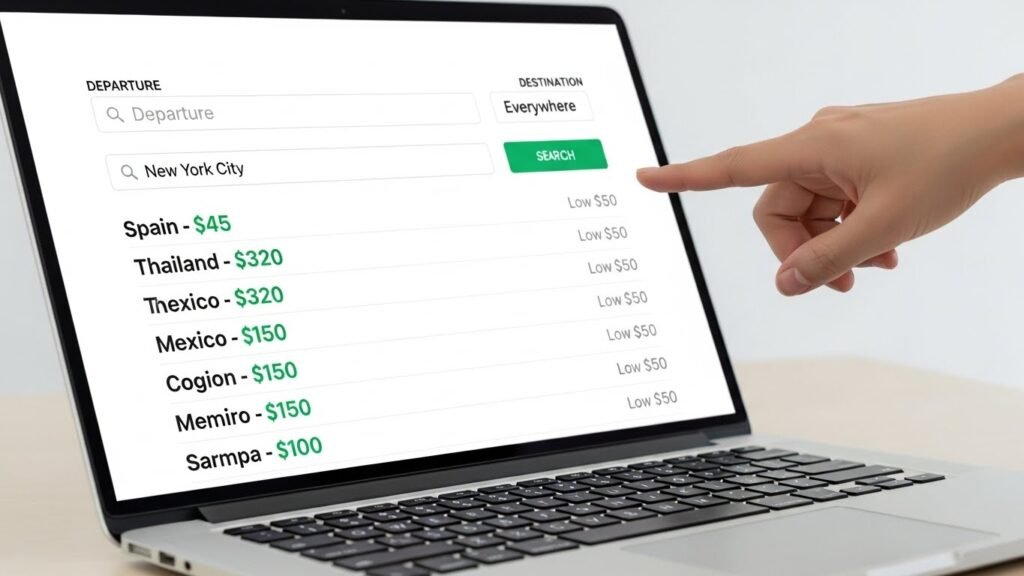
To plan a spontaneous trip on a budget, you must reverse your planning process. Instead of picking a destination and looking for flights, look for flights and let them pick the destination.
- Skyscanner “Everywhere” Feature: This is your best friend. Enter your home airport, select your dates (or choose “Whole Month”), and type “Everywhere” in the destination box. It will list destinations from cheapest to most expensive.
- Google Flights Explore: Similar to Skyscanner, use the map view to see prices for every city on the continent simultaneously.
- Error Fares and Newsletters: Subscribe to services like Scott’s Cheap Flights or Jack’s Flight Club. Sometimes, a spontaneous trip is triggered by a $300 round-trip ticket to a place you never considered.
The 48-Hour Window
Airlines and hotels hate empty seats and empty rooms. While booking 14 days out is often the “sweet spot” for standard travel, booking 24 to 48 hours before departure can sometimes yield “distressed inventory” prices—seats they are desperate to sell. This is risky, but for the spontaneous traveler, it is a calculated gamble that often pays off.
Budgeting for the Unplanned
Spontaneity does not mean financial irresponsibility. In fact, you need stricter financial boundaries when you don’t have months to save up.
The “Sinking Fund” Concept
You cannot plan a spontaneous trip if you have zero savings. The strategy here is to create a “Freedom Fund.” Set up an automatic transfer of a small amount (e.g., $50 or $100) from every paycheck into a separate savings account labeled “Travel.”
Do not touch this money for rent, bills, or new clothes. This money sits there, waiting. When you see that cheap flight or feel the urge to leave, you check the balance. If you have $800 in the fund, that is your budget. You go as far as $800 takes you.
The Daily Limit Rule
Once you are on the ground, spontaneous spending can spiral out of control. To combat this, use the “Daily Limit Rule.”
- Subtract your accommodation and transport costs from your total budget.
- Divide the remaining number by the days of your trip.
- This is your daily spend. If your number is $40 a day, that dictates your lifestyle. It means street food instead of restaurants, and walking instead of taking taxis. This clarity removes financial anxiety from the trip.
Last-Minute Accommodation Hacks
Finding a place to sleep is often the most stressful part of a last-minute journey. Here is how to handle it without panic.
The “Tonight” Apps
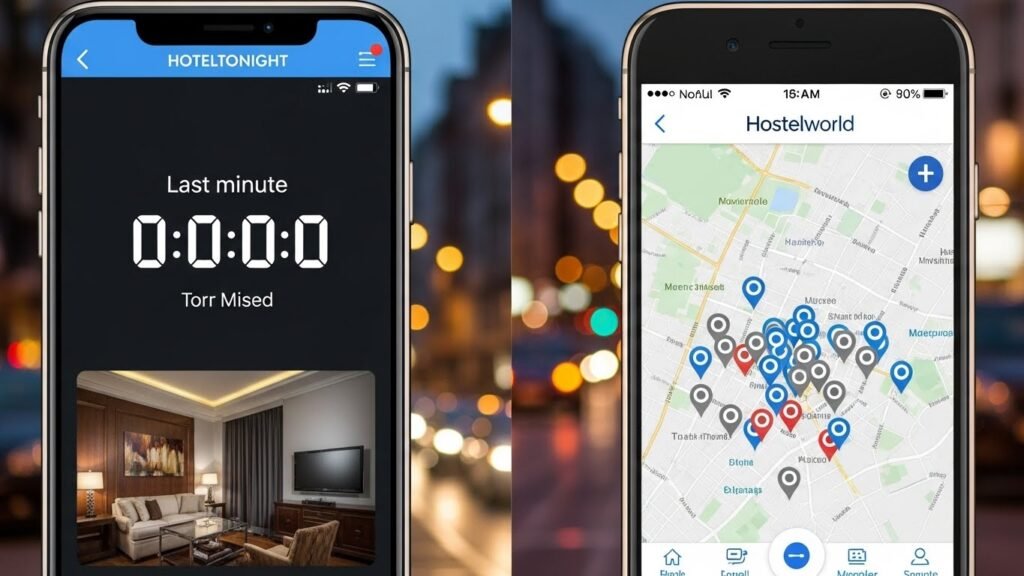
Apps like HotelTonight are designed specifically for same-day bookings. They aggregate unsold inventory from hotels and offer it at a discount. This works exceptionally well in major cities.
Hostels and Community Apps
For budget travelers, Hostelworld is standard, but do not ignore the power of community. Apps like Couchsurfing or TrustedHousesitters (if you are lucky) can provide free accommodation.
- Pro Tip: If booking a hostel last minute, call the front desk directly. Sometimes they have a bed that isn’t listed on the apps yet due to a cancellation.
The Overnight Transport Hack
If you are hopping between cities or countries, book an overnight train or bus. You save the cost of a hotel for that night and wake up in a new destination. It is the ultimate efficiency hack for a short, spontaneous trip.
The “Go-Bag” Philosophy: Always Be Ready
You cannot leave in 24 hours if you have to spend 12 hours doing laundry and finding your passport. To truly embrace the art of wandering, you must be physically ready to leave at a moment’s notice.
The Pre-Packed Essentials
Keep a small packing cube or toiletry bag permanently packed with:
- A universal travel adapter.
- Miniature toiletries (toothbrush, paste, deodorant, solid shampoo).
- A power bank and charging cables.
- A photocopy of your passport.
The One-Bag Rule
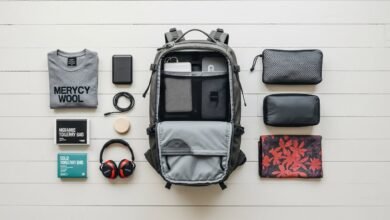
Spontaneous trips are often short and fast-paced. Do not check a bag. Checking luggage costs money, wastes time at the airport, and limits your mobility. Learn to pack for 5 days in a 30-40 liter backpack.
- Merino Wool: Invest in one or two merino wool t-shirts. They are expensive but anti-microbial, meaning you can wear them for days without them smelling. This drastically reduces the amount of clothing you need to pack.

Safety and Logistics in a Hurry
When you plan a spontaneous trip, you often skip the deep research phase. This can lead to safety oversights. Here is your rapid-fire safety checklist.
Visa Requirements
This is the single most important check. Before you book that flight to Vietnam or Brazil, verify the visa requirements for your passport.
- Visa-Free/Visa-on-Arrival: Prioritize these countries.
- E-Visas: Check processing times. Some take 24 hours; others take 5 business days. If you are leaving Friday, a 5-day processing time is a dealbreaker.
Download Offline Maps
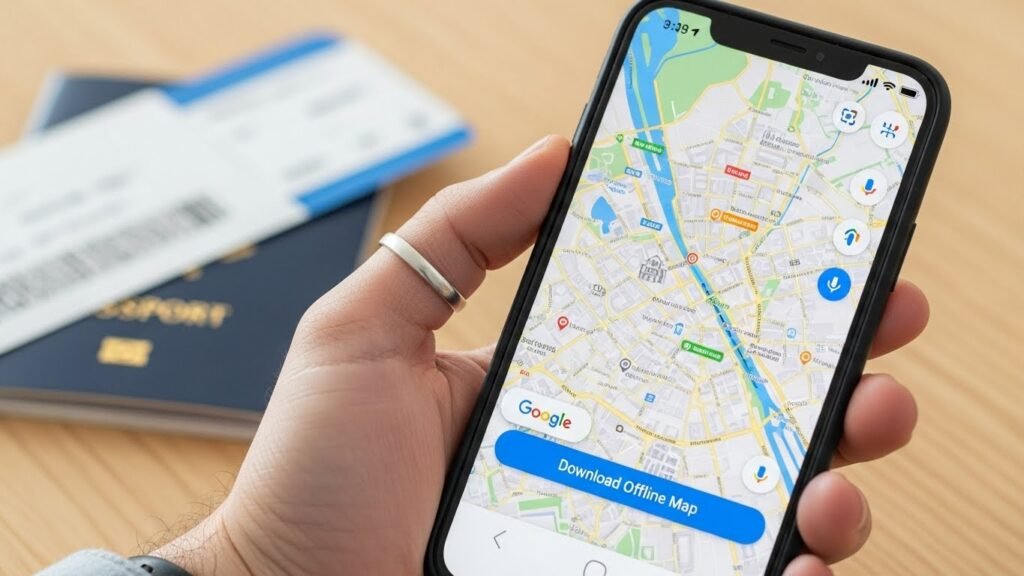
You might land without a data connection. Before you leave your home Wi-Fi, download the destination area on Google Maps or Maps.me. This ensures you can find your hotel even if your SIM card doesn’t work immediately.
Notify Your Bank
Nothing ruins a spontaneous trip faster than your bank freezing your card because they see a transaction in a foreign country. Log into your banking app and set a travel notice for your destination dates.
The Mindset of the Wanderer
Finally, the success of a spontaneous trip depends on your attitude. Things will go wrong. You might book the wrong train, get rained on, or find that the museum is closed on Mondays.
Embrace the “JOMO” (Joy of Missing Out)
Traditional travel is about ticking boxes off a list. Spontaneous travel is about the experience of being there. If you miss the famous landmark because you spent four hours talking to a local in a coffee shop, that is a win.
The “Yes” Man Approach
Since you have no itinerary, you are free to say “yes.”
- “Want to try this weird food?” Yes.
- “Want to hike to this hidden waterfall?” Yes.
- “Want to join our table?” Yes. These unplanned interactions often become the highlight of the trip, far surpassing any guidebook recommendation.
Conclusion
To plan a spontaneous trip is to trust yourself. It is an exercise in letting go of control and embracing the flow of the journey. It teaches you that you are capable, adaptable, and resourceful.
You do not need a massive bank account or weeks of planning to see the world. You just need a passport, a little bit of savings, and the courage to click “Book” when the opportunity arises. The world is waiting—why are you still reading this? Go check the flight prices.