Digital Nomad Guide to Portugal: Coastal Living, Wi-Fi, and Surf
Portugal has rapidly established itself as the premier destination for remote workers in Europe. For those seeking the perfect work-life balance, this Iberian gem offers a compelling mix of affordable living, reliable infrastructure, and a stunning coastline stretching over 800 kilometers. If you are looking to trade your home office for a view of the Atlantic, this digital nomad guide to Portugal will help you navigate the essentials of coastal living.
The allure is undeniable. You can start your day with a sunrise surf session, log on for deep work during the hottest part of the day, and finish with fresh seafood and local wine by sunset. However, moving your life to a new country requires planning. From visa requirements to finding the strongest internet connection near the best breaks, here is everything you need to know about setting up your remote office by the sea.
Why Portugal is the Ultimate Nomad Hub
Before diving into logistics, it is worth understanding why this nation has become the epicenter of the remote work movement. It is often referred to as the “California of Europe” for its similar climate, surf culture, and suspension bridges, yet it retains a distinct Old World charm.
Climate and Lifestyle
Portugal enjoys over 300 days of sunshine a year. For coastal lovers, the climate is ideal. The summers are hot and dry, tempered by cool Atlantic breezes, while winters are generally mild, especially in the south. This weather allows for a year-round outdoor lifestyle, essential for nomads who want to escape the confines of an apartment.
Safety and Infrastructure
Ranked consistently among the safest countries in the world, Portugal offers peace of mind for solo travelers and those carrying expensive tech gear. Furthermore, the English proficiency in coastal hubs is exceptionally high. You will rarely struggle to communicate in towns like Ericeira, Lagos, or Cascais.
Best Coastal Bases for Digital Nomads
Choosing where to live depends on your vibe. Do you want a bustling city with a beach nearby, or a quiet fishing village turned surf camp?
Ericeira: The Surfing Capital
Ericeira is the most famous digital nomad village in the world right now. Designated as a World Surfing Reserve, it attracts a specific demographic: people who work hard and surf harder.
- The Vibe: Relaxed, youthful, and international. The town is filled with coworking spaces, skate parks, and healthy cafes.
- The Internet: Excellent. Because the town caters to nomads, fiber optic internet is standard in most rentals and hostels.
- Best For: Surfers of all levels and those looking for a tight-knit community.
Lagos: The Algarve Dream
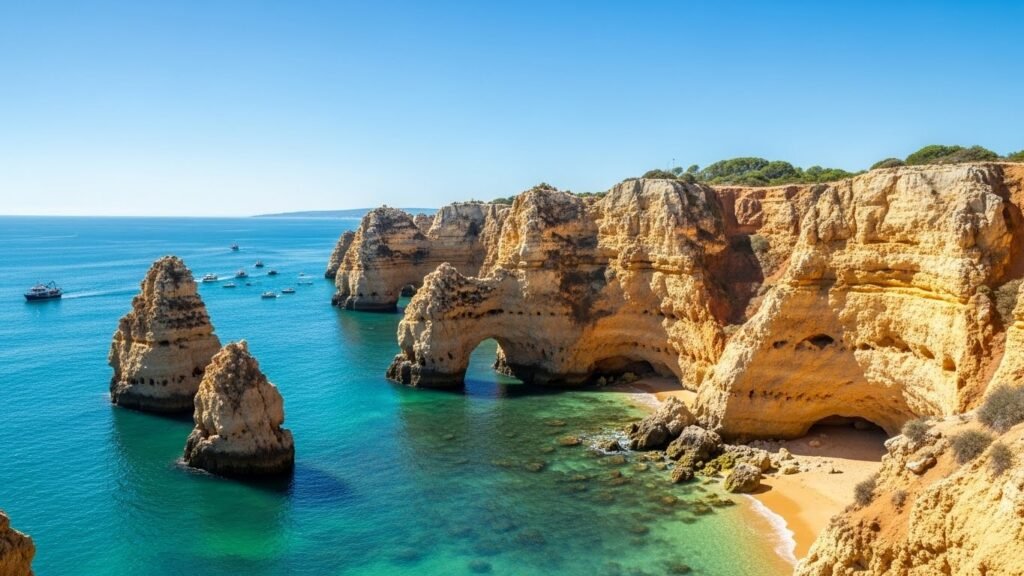
Located in the southern Algarve region, Lagos offers warmer water and stunning limestone cliffs.
- The Vibe: It is a bit more tourist-heavy in the summer but retains a laid-back charm in the shoulder seasons. The nightlife here is vibrant, making it great for younger nomads.
- The Internet: Generally good, though you should verify upload speeds if you are staying in older, historic buildings.
- Best For: Beach lovers, hikers, and those who prefer a warmer climate in winter.
Peniche: Raw and Authentic
If you prefer function over fashion, Peniche is a working fishing port that happens to have world-class waves (including the famous Supertubos).
- The Vibe: Grittier and more authentic than Ericeira. It is less gentrified, meaning rent can be cheaper, but there are fewer “hipster” amenities.
- The Internet: Reliable, but coworking spaces are fewer and farther between compared to Lisbon or Ericeira.
- Best For: Serious surfers and budget-conscious nomads who do not need luxury.
Madeira: The Island Escape
While not on the mainland, the island of Madeira deserves a mention for its dedicated “Digital Nomad Village” in Ponta do Sol.
- The Vibe: Subtropical and mountainous. It feels like Hawaii meets Europe.
- The Internet: The local government has invested heavily in infrastructure to attract remote workers.
- Best For: Nature lovers, hikers, and those looking for a strong, government-supported community.
Practicalities: Internet and Connectivity
For any digital nomad guide to Portugal, connectivity is the most critical metric. Fortunately, Portugal ranks among the highest in Europe for broadband speeds.
Fiber Optic Coverage
Most coastal towns have excellent fiber coverage. When booking accommodation on platforms like Airbnb or Flatio, always ask for a speed test screenshot before committing. A download speed of 100 Mbps is standard in many modern apartments, with upload speeds often matching.
Mobile Data and SIM Cards
Data is affordable and fast. The three leading providers are MEO, NOS, and Vodafone.
- MEO: Often has the best coverage in remote coastal areas and islands.
- Vodafone: Generally reliable in cities and larger towns.
- NOS: Good, but can be spotty in rural surf spots.
You can buy a prepaid SIM card at the airport or in any central town. Unlimited data packages are available and are perfect for creating a hotspot if your home Wi-Fi goes down.
Coworking Spaces
The coastal coworking scene is booming. In Ericeira, spaces like Keloburg or Salt Studio offer high-speed Ethernet, ergonomic chairs, and networking events. In Lagos, you will find hubs that double as creative studios. Expect to pay between €150 and €250 per month for a hot desk.
The Boring Stuff: Visas and Bureaucracy
Portugal has opened its doors to non-EU citizens with specific visa programs. Note: Always check official government sources for the latest legal requirements.
The Digital Nomad Visa
Launched recently, this visa allows remote workers from outside the EU/EEA to live in Portugal. You must prove a monthly income of four times the Portuguese minimum wage. This visa can be for a temporary stay (up to one year) or a residence permit (renewable).
The D7 Visa
Initially designed for retirees, this passive income visa has been used by many remote workers with stable income streams. It requires proof of recurring income and a clean criminal record.
The NIF (Tax Number)
Whether you are renting a flat, signing up for a gym, or getting internet, you need a NIF (Número de Identificação Fiscal). You can get this at a local finance office (Finanças) or through a lawyer. It is your administrative ID for life in Portugal.

Cost of Living on the Coast
Portugal is no longer the “dirt cheap” destination it was ten years ago, especially in popular coastal hubs. However, it remains affordable compared to the US, UK, or Northern Europe.
Accommodation
This will be your most significant expense.
- Short-term rentals: In summer (June–August), prices skyrocket. A one-bedroom apartment in Ericeira or Lagos can cost €1,500 to €2,500+ per month.
- Long-term rentals: If you sign a 6-12 month lease, prices drop significantly. Look for T1 (one-bedroom) apartments in the €800–€1,200 range, depending on proximity to the beach.
- Winter deals: Traveling in the off-season (November–March) can save you up to 50% on accommodation.
Food and Dining
This is where Portugal shines. You can get a high-quality espresso for €0.70–€1.00. A “Prato do Dia” (dish of the day) lunch with soup, main course, drink, and coffee often costs between €8 and €12. Groceries are fresh and affordable, especially if you buy local produce, fish, and cheese.
Community and Social Life
One of the biggest challenges of the digital nomad lifestyle is loneliness. Fortunately, the coastal route in Portugal is incredibly social.
Meetups and WhatsApp Groups
Every central hub has dedicated WhatsApp or Facebook groups (e.g., “Expats in Lagos” or “Ericeira Digital Nomads”). These are used to organize sunset drinks, volleyball games, coworking sessions, and surf meetups. Joining these groups is the fastest way to make friends.
Surf Camps as Networking Hubs
Even if you are working, staying at a surf camp for your first week is a great strategy. Many camps now cater to “Surf & Work” packages, providing desks and fast Wi-Fi. It allows you to instantly bond with a group of people who share your schedule: surf in the morning, work in the afternoon, socialize in the evening.

Common Pitfalls to Avoid
To ensure your digital nomad guide to Portugal experience is smooth, avoid these rookie mistakes.
- Underestimating Winter: Portuguese houses are built to keep heat out. They often lack central heating. Winters can be damp and chilly inside. Bring warm layers and look for apartments with heaters or fireplaces.
- Rent Scams: Never transfer money for a long-term rental via Facebook or Craigslist without seeing the place or using a verified platform. The high demand has led to an increase in rental scams.
- Expecting Amazon Prime Speed: While deliveries are available, getting packages can sometimes be a headache due to customs (if ordering from outside the EU) or confusing addresses. Try to buy tech gear before you arrive.
Conclusion
Portugal offers a magnetic blend of elements that is hard to find elsewhere. It allows you to maintain a high-level professional career while deeply immersing yourself in a coastal lifestyle. Whether you are catching your first green wave in Peniche or closing a deal over coffee in Lagos, the country invites you to slow down and appreciate the journey.
The key to success is preparation. Secure your accommodation early, verify your internet speeds, and make an effort to integrate with both the expat community and the welcoming locals. Once you find your rhythm here, you may find it very difficult to leave.