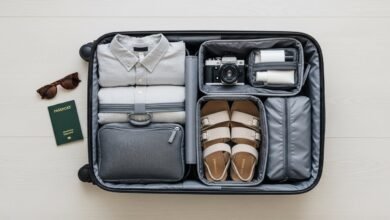
Minimalist Packing List: 7 Essentials for Long-Term Solo Journeys
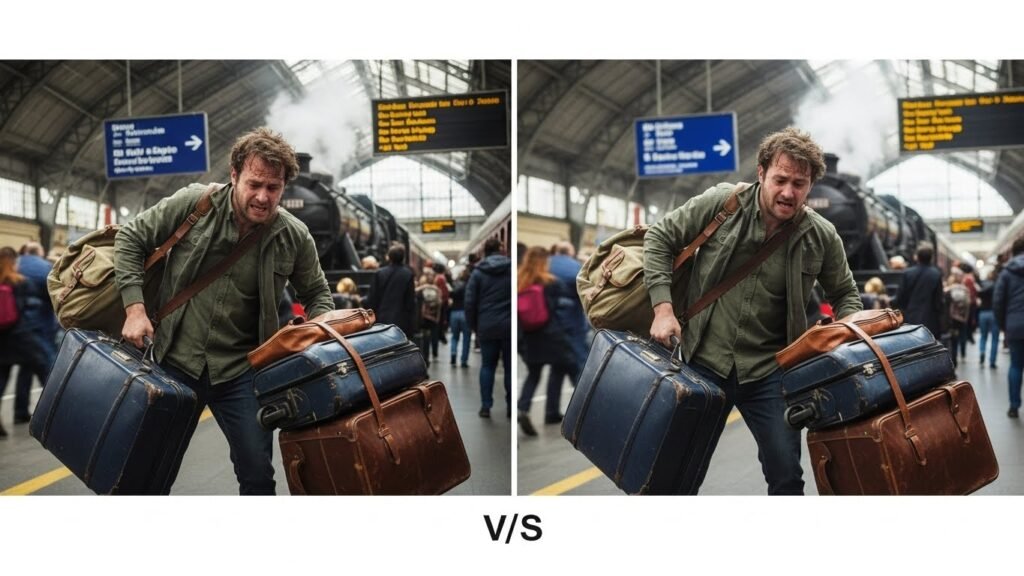
There is a saying among experienced travelers: “You pack for your fears.” If you are afraid of being cold, you pack three extra sweaters. If you are afraid of running out of clean clothes, you pack ten t-shirts. But when you are embarking on a long-term solo journey, fear is heavy—literally.
Dragging a 20kg suitcase across cobblestone streets in Europe or hauling a massive duffel bag onto a ferry in Thailand is the quickest way to kill the joy of travel. The secret to freedom on the road is agility. The goal is to move seamlessly from airport to hostel, from train station to beach, without feeling burdened by your possessions.
This minimalist packing list is not just about saving space; it is about changing your mindset. By focusing on high-quality, multi-purpose gear, you can travel indefinitely with nothing more than a carry-on backpack. Here are the 7 absolute essentials you need to survive and thrive on the road.
The Philosophy: Pack for a Week, Travel for a Year
Before diving into the gear, you must accept one truth: Laundry exists everywhere. Whether it is a coin-operated machine in Tokyo or a sink with a bar of soap in Patagonia, you will wash your clothes. Therefore, you do not need to pack for three months. You only need to pack for one week.
This shift in perspective is the foundation of any successful minimalist packing list. Once you accept this, your load lightens immediately.
1. The “One Bag” Backpack (35L – 45L)
Your backpack is your home. It needs to be durable, comfortable, and crucially, carry-on size. Checking a bag adds hours to your airport time and increases the risk of lost luggage.
Look for a bag that opens like a suitcase (“clamshell opening”) rather than a top-loading hiking bag. This allows you to see all your gear at once without digging to the bottom. It should have a robust hip belt to transfer weight from your shoulders to your hips. A 40L capacity is the sweet spot—large enough to hold everything, but small enough to fit in the overhead bin of a budget airline.
2. Merino Wool T-Shirts
If you only upgrade one item in your wardrobe, make it this. Cotton is a traveler’s enemy—it gets heavy when wet, dries slowly, and holds odors. Synthetic fabrics dry fast but smell bad after a few hours of sweating.
Merino wool is nature’s miracle fabric. It is:
- Anti-microbial: You can wear it for 3-4 days without it smelling.
- Temperature regulating: It keeps you cool in the heat and warm in the cold.
- Quick-drying: Wash it in the sink at night, and it is dry by morning.
Packing two or three high-quality merino shirts replaces ten cotton ones.

3. The Universal Power Bank (20,000mAh)
As a solo traveler, your phone is your lifeline. It is your map, your translator, your bank, and your booking agent. Running out of battery in a strange city at 2 AM is a genuine safety risk.
Do not settle for a small, pocket-sized charger. Invest in a robust 20,000mAh power bank. This capacity can charge a standard smartphone 4-5 times fully. Look for one with:
- Fast Charging (PD): To juice up your phone quickly during a short layover.
- Multiple Ports: To charge your phone and headphones simultaneously.
- Pass-Through Charging: Allowing you to charge the battery bank while it charges your phone overnight.
4. The Microfiber Quick-Dry Towel
Hostel towels are often rented, questionable in cleanliness, or non-existent. A traditional cotton towel takes up half your backpack and takes forever to dry, leading to that dreaded “wet dog” smell in your bag.
A microfiber travel towel packs down to the size of a fist and dries in under an hour. While the texture takes some getting used to (you pat yourself dry rather than rub), the space savings are undeniable. Opt for an antimicrobial version to keep it fresh between washes.

5. Solid Toiletries (Shampoo & Soap Bars)
Liquids are the bane of carry-on travel. The 100ml rule is strict, and bottles are prone to leaking and ruining your clothes. The solution is to go solid.
Replace your shampoo, conditioner, and body wash bottles with solid bars. They:
- Last 2-3 times longer than liquid equivalents.
- Take up a fraction of the space.
- Will never explode in your bag due to cabin pressure.
- Are eco-friendly and plastic-free.
Pair these with a breathable soap container (like a Matador bag) that allows the bars to dry out without making a mess.
6. Active Noise-Canceling (ANC) Headphones
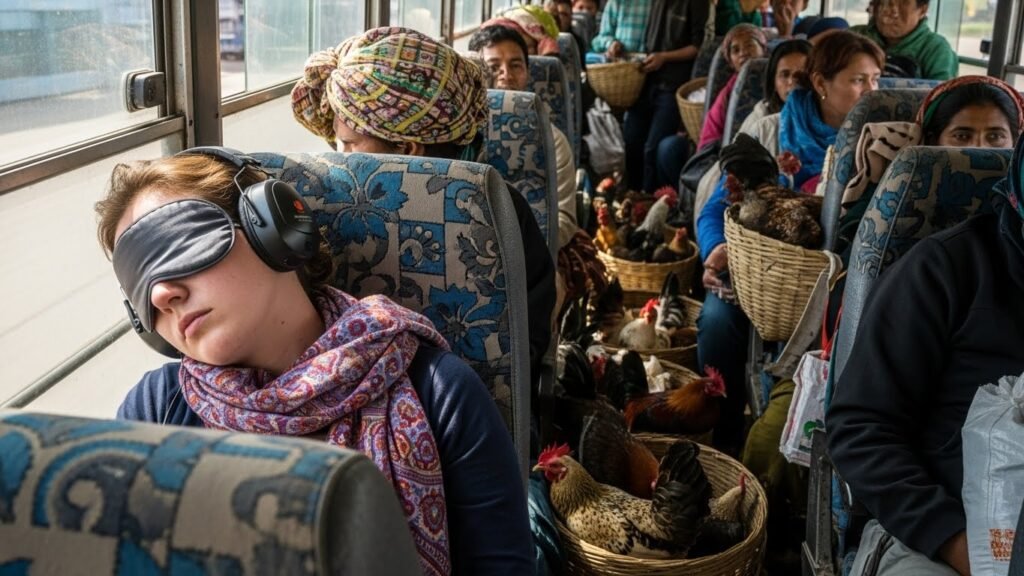
This is not a luxury; it is a sanity tool. Solo travel involves buses with blaring music, hostels with snoring roommates, and planes with crying babies. The ability to control your auditory environment is essential for your mental health.
Whether you prefer over-ear headphones or high-quality earbuds, ensure they have Active Noise Cancellation. Being able to create a bubble of silence allows you to sleep, work, or relax in chaotic environments, keeping your energy levels high for exploration.
7. The “Everything” Sarong or Scarf
For both men and women, a large, lightweight sarong or scarf is the most versatile item in the bag. It serves countless purposes:
- Beach Towel: A backup if your main towel is wet.
- Blanket: For freezing cold buses or airports.
- Modesty Cover: Essential for entering temples or conservative areas.
- Sun Shade: Drape it over your head or arms.
- Privacy Curtain: Tuck it into a bunk bed frame in a hostel.
It weighs almost nothing but solves a dozen problems.
How to Organize: The Magic of Packing Cubes
Having the right gear is step one; organizing it is step two. If you throw everything into your backpack, it becomes a black hole. You will inevitably lose your socks at the bottom.
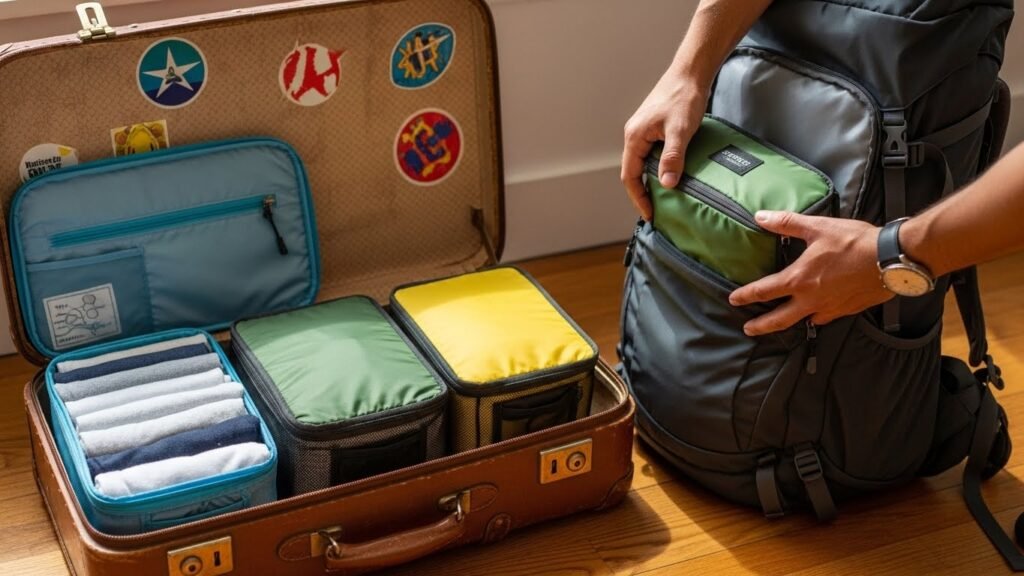
Packing cubes are the drawer system for your backpack. Use one for tops, one for bottoms, and a small one for underwear/socks. They compress your clothes to save space and, more importantly, keep you organized. When you arrive at your accommodation, you simply pull out the cubes. You never have to explode your bag all over the floor just to find a charger.
What to Leave Behind
A minimalist packing list is defined as much by what you don’t take as what you do.
- Hair Dryers: Most accommodations have them, or you can air dry.
- Jeans: They are heavy, hot, and take days to dry. Bring lightweight travel pants instead.
- “Just in Case” Items: If you can buy it there for under $10, don’t pack it. Medicine, extra toiletries, and snacks can be found globally.
Conclusion
Minimalist travel is about removing the friction between you and the world. When you carry less, you worry less. You can hop on a motorbike taxi, walk five kilometers to a hidden hostel, or catch a last-minute flight without paying baggage fees.
By sticking to this minimalist packing list, you are prioritizing experiences over things. You are telling yourself that you are enough, and that your journey is about what you see and feel, not what you wear. Pack light, and the world will open up to you.